
Dental Implants
Select Nearest Town
- All
- Cheltenham
- Cinderford
- Cirencester
- Gloucester
- Stonehouse
- Stroud
- Tewkesbury
Reclaiming Your Smile: A Deep Dive into Dental Implants
For many, the loss of a tooth or multiple teeth can be more than just a cosmetic concern. It can impact speech, chewing ability, oral health, and even self-confidence. Thankfully, advancements in restorative dentistry have provided a revolutionary solution: dental implants. These biocompatible devices offer a stable, long-lasting, and natural-looking replacement for missing teeth, effectively “reclaiming” both your smile and its functionality.
What Exactly is a Dental Implant?
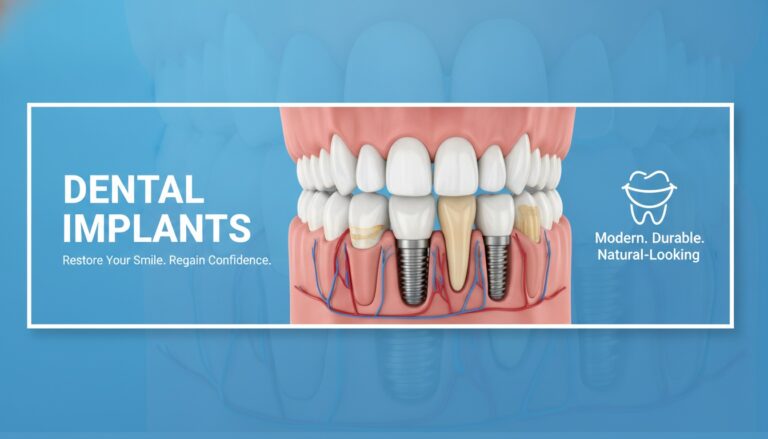
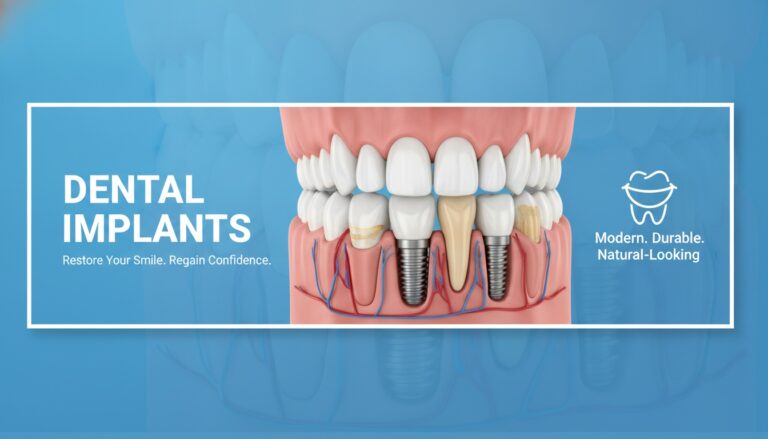
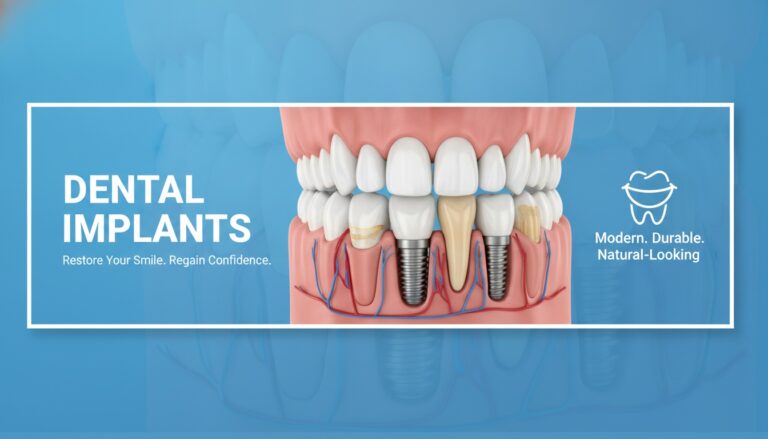
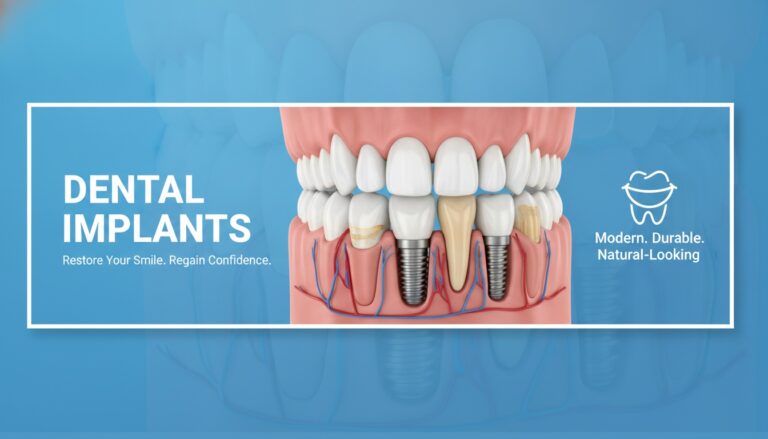
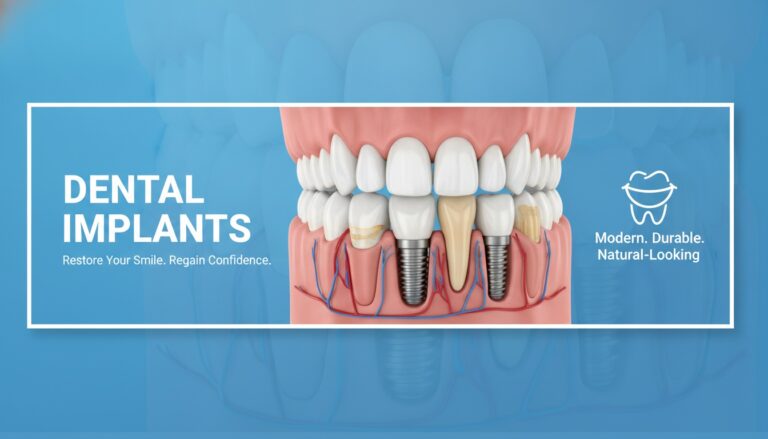
At its core, a dental implant is a small, screw-shaped post, typically made of titanium, that is surgically placed into the jawbone. This titanium post serves as an artificial tooth root. Over time, a remarkable biological process called osseointegration occurs, where the jawbone fuses directly with the implant, creating an incredibly strong and stable foundation.
Once the implant has integrated with the bone, it acts as a secure anchor for a prosthetic tooth, often called a crown, or for a bridge or denture. This prosthetic is custom-made to perfectly match the color, shape, and size of your natural teeth, ensuring a seamless and aesthetically pleasing result.
The Journey to a New Tooth: The Implant Process
The dental implant process is a multi-step procedure that typically involves the following stages:
Initial Consultation and Evaluation: The first step is a thorough examination by your dentist or an oral surgeon. This includes X-rays, 3D scans, and an assessment of your oral health to determine if you are a good candidate for implants. Underlying conditions like gum disease or uncontrolled diabetes may need to be addressed before proceeding.
Implant Placement Surgery: Under local anaesthesia, the surgeon will make a small incision in the gum and carefully place the titanium implant into the prepared site in the jawbone.
Osseointegration (Healing Phase): This is a crucial period that can take several months. During this time, the jawbone fuses with the implant, providing the necessary stability. Your dentist will monitor your progress throughout this phase.
Abutment Placement: Once osseointegration is complete, a small connector piece called an abutment is attached to the implant. This acts as the link between the implant and the crown.
Crown Fabrication and Placement: Finally, a custom-made dental crown is designed to perfectly fit your mouth. Once ready, it’s securely attached to the abutment, completing your new, functional tooth.
Who Can Benefit from Dental Implants?
Dental implants are a versatile solution and can benefit a wide range of individuals, including:
People missing a single tooth: An implant can replace a lost tooth without affecting adjacent teeth.
Individuals with multiple missing teeth: Implants can support bridges or dentures, providing a more secure and comfortable fit than traditional options.
Patients who have lost teeth due to decay, gum disease, or injury.
Those who are unable or unwilling to wear dentures.
People who desire a permanent and natural-looking tooth replacement.
The Undeniable Advantages of Dental Implants:
The popularity of dental implants stems from their numerous advantages:
Superior Stability and Security: Unlike dentures that can slip or shift, implants are anchored directly to your jawbone, offering unparalleled stability for eating, speaking, and laughing with confidence.
Preservation of Jawbone: When a tooth is lost, the underlying jawbone begins to resorb (shrink). Dental implants stimulate the jawbone, preventing this bone loss and maintaining facial structure.
Natural Appearance and Feel: Implants are designed to look and feel like your natural teeth, blending seamlessly with your smile.
Improved Chewing Efficiency: With implants, you can enjoy your favourite foods without discomfort or limitations, restoring your full eating potential.
Enhanced Speech: Missing teeth can sometimes affect speech clarity. Implants help restore proper articulation and prevent air from escaping when speaking.
Durability and Longevity: With proper care and maintenance, dental implants can last a lifetime, making them a wise long-term investment in your oral health.
No Impact on Adjacent Teeth: Unlike traditional bridges, which require grinding down healthy neighbouring teeth for support, implants are independent and don’t compromise their health.
Increased Self-Esteem: The ability to smile confidently and enjoy life without the worry of missing teeth can significantly boost self-esteem and overall quality of life.
Caring for Your New Smile:
Maintaining good oral hygiene is paramount for the success and longevity of your dental implants. This includes:
Regular Brushing and Flossing: Just like your natural teeth, implants need to be cleaned daily to remove plaque and food particles.
Routine Dental Check-ups: Regular visits to your dentist are essential for professional cleaning and monitoring the health of your implants and surrounding tissues.
Avoiding Smoking: Smoking can negatively impact the healing process and the long-term success of implants.
Is a Dental Implant Right for You?
While dental implants offer remarkable benefits, they are not suitable for everyone. A comprehensive evaluation from a qualified dental professional is essential to determine your candidacy. Factors like bone density, overall health, and the presence of any oral health issues will be considered.
In conclusion, dental implants represent a transformative solution for tooth loss, offering a path to restored function, aesthetics, and confidence. By providing a stable, durable, and natural-looking replacement, they empower individuals to reclaim their smiles and embrace a life without the limitations of missing teeth. If you’re considering your options, a consultation with your dentist is the first step towards unlocking the potential of a truly revitalised smile.
- All
- Cheltenham
- Cinderford
- Cirencester
- Gloucester
- Stonehouse
- Stroud
- Tewkesbury
📅 Last updated: